Mastering Mandala Vector Art Pattern 1339: A Versatile Tool for Creative and Productive Workflows
Mandala Vector Art Pattern 1339 is a unique and intricate design that offers both aesthetic appeal and functional utility across various creative and professional applications. As a vector-based pattern, it provides scalability and adaptability, making it an ideal choice for designers, artists, and professionals looking to integrate visual elements into their workflows. Whether you're working on branding, digital art, or educational materials, this pattern can be a valuable asset when used strategically.
Understanding the Design and Its Applications
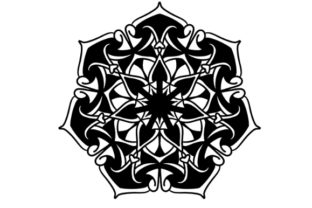
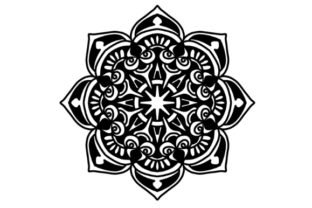
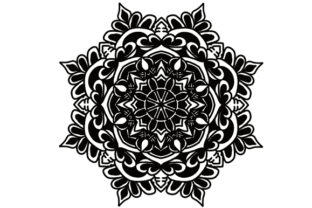
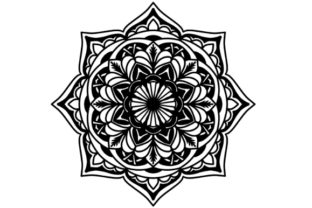
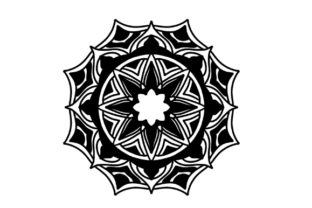
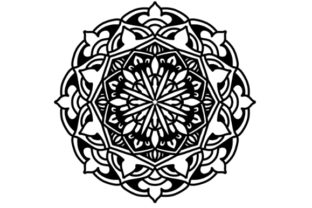
Mandala Vector Art Pattern 1339 is composed of symmetrical geometric shapes and intricate patterns that reflect a deep sense of balance and harmony. This design is not only visually engaging but also highly customizable, allowing users to adapt it to different contexts and purposes. The availability of AI, EPS, and JPG file formats ensures compatibility with a wide range of software and platforms, from graphic design tools like Adobe Illustrator to web development environments and print media.
The versatility of Mandala Vector Art Pattern 1339 makes it suitable for use in multiple stages of a project lifecycle. It can serve as a foundational element during the planning phase, a visual guide during the execution phase, or a decorative touch during the final presentation. Its structured nature lends itself well to tasks that require organization, focus, and creativity.
Integrating Mandala Vector Art Pattern 1339 into Your Workflow
When integrating Mandala Vector Art Pattern 1339 into your workflow, consider how it aligns with your specific goals and processes. For instance, if you're a graphic designer working on a branding project, this pattern can be used to create logos, packaging designs, or promotional materials. Its repetitive yet complex structure can add depth and interest without overwhelming the viewer.
For educators or content creators, Mandala Vector Art Pattern 1339 can be incorporated into lesson plans, presentations, or interactive learning modules. The pattern’s symmetry and detail make it an excellent tool for illustrating concepts related to geometry, art, or mindfulness. It can also serve as a visual aid to help learners stay focused and engaged.
Entrepreneurs and small business owners may find value in using this pattern for marketing materials such as social media graphics, website backgrounds, or product packaging. The clean lines and balanced composition of Mandala Vector Art Pattern 1339 can enhance the overall professionalism and appeal of your brand.
Practical Use Cases and Implementation Tips
One of the key advantages of Mandala Vector Art Pattern 1339 is its adaptability. Here are some practical ways to incorporate it into your work:
- Branding Projects: Use the pattern as a background or overlay in logo designs, business cards, or stationery. Its timeless design can help convey stability and reliability.
- Digital Content Creation: Incorporate the pattern into infographics, social media posts, or video thumbnails to add visual interest and consistency.
- Print Media: Apply the pattern to posters, flyers, or brochures to create a cohesive and eye-catching design.
- Personal Projects: Use it as a motivational tool or meditation aid by printing it on paper or displaying it digitally.
To ensure seamless integration, always consider the context and purpose of your project. Test the pattern in different color schemes and sizes to see how it interacts with other design elements. Additionally, maintain a consistent style throughout your work to preserve the integrity of the design.
Working with Different File Formats
Mandala Vector Art Pattern 1339 comes in three primary file formats: AI, EPS, and JPG. Each format serves a specific purpose and is best suited for particular uses:
- AI (Adobe Illustrator): Ideal for editing and customizing the pattern. This format allows for precise adjustments and scalability without loss of quality.
- EPS (Encapsulated PostScript): Suitable for print media and professional design workflows. It maintains high resolution and is compatible with most design software.
- JPG: Best for quick use in web design, social media, or digital presentations. While it’s less flexible than vector formats, it’s convenient for fast deployment.
Choosing the right format depends on your project requirements. If you need to make frequent edits or scale the design, AI or EPS is the better choice. However, if you’re looking for a simple and efficient solution, JPG can be a great option.
Enhancing Efficiency and Consistency
Using Mandala Vector Art Pattern 1339 effectively requires attention to preparation, compatibility, and organization. Start by understanding the design’s characteristics and how they align with your project’s needs. Ensure that all tools and platforms you use support the chosen file format to avoid compatibility issues.
Consistency is another important factor. When incorporating the pattern into multiple projects, maintain a uniform style and application method to ensure cohesion. This helps reinforce brand identity or create a unified visual experience across different mediums.
Additionally, keep track of your workflow to identify areas where the pattern can be optimized. For example, if you’re using it in a marketing campaign, evaluate how it contributes to engagement, clarity, and visual appeal. Adjust your approach based on feedback and performance metrics to maximize its impact.
Long-Term Value and Reusability
Mandala Vector Art Pattern 1339 is not just a one-time use asset; it can be a long-term resource for various projects and activities. Its scalable and adaptable nature means it can be repurposed across different contexts, saving time and effort in the long run.
Consider creating a library of variations or customized versions of the pattern to suit different needs. This way, you can quickly access and apply the design without starting from scratch each time. Regularly reviewing and updating your collection ensures that the pattern remains relevant and effective in your workflow.
Moreover, the pattern can be used in conjunction with other design elements or tools to enhance its functionality. For example, combining it with typography, color theory, or layout principles can elevate the overall quality of your work. Experimenting with different combinations helps you discover new ways to leverage the pattern’s potential.
Conclusion
Mandala Vector Art Pattern 1339 is more than just a decorative element—it’s a powerful tool that can enhance creativity, organization, and efficiency in various workflows. By understanding its strengths and limitations, you can integrate it seamlessly into your projects and routines. Whether you're a designer, educator, entrepreneur, or hobbyist, this pattern offers a versatile and valuable resource for achieving your goals.