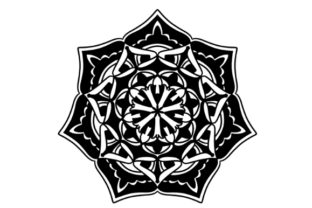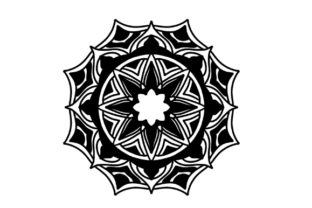
Mandala Vector Art Pattern 1513: A Versatile Design for Creative Projects
Mandala Vector Art Pattern 1513 is a digital design template that combines the intricate beauty of mandalas with the scalability and flexibility of vector graphics. This pattern is ideal for designers, artists, and creators who are looking for a high-quality, reusable graphic that can be applied across various mediums. Whether you're working on print materials, digital projects, or branding assets, Mandala Vector Art Pattern 1513 offers a unique blend of artistic detail and technical precision.
What Makes Mandala Vector Art Pattern 1513 Unique?
Mandala Vector Art Pattern 1513 stands out due to its meticulous design and compatibility with multiple file formats. Unlike raster images, which can lose quality when scaled, vector graphics maintain clarity at any size. This makes the pattern highly versatile for use in both small-scale illustrations and large-format prints.
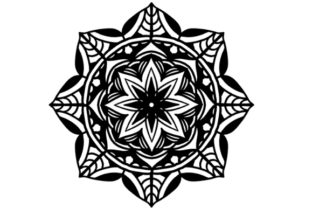
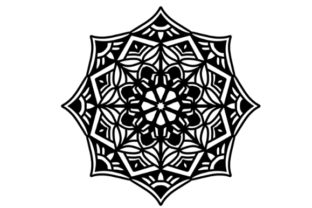
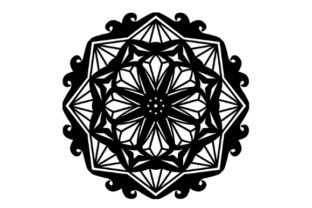
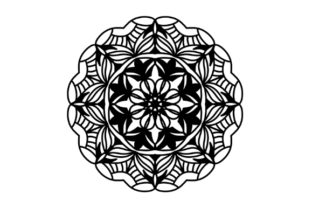
The pattern itself features a symmetrical layout with intricate geometric shapes and floral motifs, typical of traditional mandala designs. These elements are arranged in a way that creates visual harmony and balance, making it suitable for a wide range of applications. The complexity of the design allows for creative customization while still maintaining a cohesive aesthetic.
Why Would Someone Be Interested in Mandala Vector Art Pattern 1513?
There are several reasons why Mandala Vector Art Pattern 1513 might appeal to designers and artists:
- Creative Flexibility: The pattern provides a strong foundation for customizing designs without compromising the integrity of the original structure.
- Multi-Format Support: Available in AI, EPS, and JPG formats, it caters to different software preferences and project requirements.
- Time-Saving: Using a pre-designed vector pattern can significantly reduce the time needed to create complex visuals from scratch.
- Professional Quality: The high-resolution nature of vector files ensures that the design remains sharp and clean, even when printed at larger sizes.
Benefits and Considerations
One of the key benefits of Mandala Vector Art Pattern 1513 is its adaptability. It can be easily integrated into logos, packaging, website backgrounds, and more. Additionally, since it's a vector format, it supports layering and editing, allowing users to modify individual elements without affecting the rest of the design.
However, there are also some considerations to keep in mind. While the pattern is highly detailed, this complexity may require some level of technical skill to fully utilize. For those new to vector design, learning how to edit and manipulate the elements could take additional time and practice.
Another consideration is the intended use of the pattern. If the design is meant for a specific application, such as a brand identity, it’s important to ensure that the pattern aligns with the overall theme and message of the project. In some cases, a simpler or more stylized design might be more appropriate.
When Is Mandala Vector Art Pattern 1513 a Strong Fit?
Mandala Vector Art Pattern 1513 is particularly well-suited for projects that require a visually rich and balanced design. It works especially well in the following scenarios:
- Branding and Packaging: Its intricate patterns can add depth and sophistication to product packaging, logos, and marketing materials.
- Digital Media: The vector format makes it ideal for use in websites, social media content, and other digital platforms where scalability is essential.
- Artistic Projects: Artists and illustrators can use the pattern as a base for their own creative work, adding personal touches while maintaining the original structure.
- Print Publications: The high-resolution quality ensures that the design will look sharp and professional in print, whether it's for magazines, brochures, or posters.
When Might Alternatives Be Worth Considering?
While Mandala Vector Art Pattern 1513 has many advantages, there are situations where alternative patterns or design approaches might be more suitable:
- Simpler Designs: If the project requires minimal visual complexity, a more straightforward pattern or flat design might be more effective.
- Customization Needs: For projects that require extensive modifications, a less structured or more open-ended design could offer greater flexibility.
- Specific Use Cases: In some industries, such as healthcare or education, certain design elements may need to be avoided for cultural or ethical reasons.
- Software Compatibility: If the user prefers a specific design tool that does not support vector formats, a raster-based alternative might be necessary.
Practical Insights for Decision-Making
When deciding whether to use Mandala Vector Art Pattern 1513, it's important to consider your goals, skills, and the context of the project. If you're looking for a visually striking and scalable design, this pattern could be an excellent choice. However, if simplicity or customization is a priority, exploring other options may yield better results.
Additionally, evaluating the file formats available is crucial. The AI and EPS formats are best suited for professional design work, while the JPG format is ideal for quick use in web and print applications. Understanding these differences can help you make an informed decision about which format to use based on your needs.
Ultimately, Mandala Vector Art Pattern 1513 is a powerful tool for designers and artists who value both creativity and technical precision. By understanding its strengths and limitations, you can determine whether it aligns with your project goals and deliver high-quality, visually appealing results.