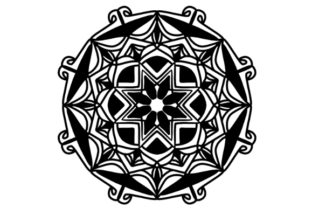
Mastering Mandala Vector Art Pattern 1293: A Strategic Tool for Creativity and Communication
Mandala Vector Art Pattern 1293 is more than just a visual design—it's a versatile, structured resource that can serve as a powerful tool for individuals and organizations seeking to enhance their creative output, strategic planning, and communication. This intricate pattern offers a unique blend of symmetry, balance, and geometric precision, making it ideal for a wide range of applications. Whether you're an entrepreneur looking to build a brand identity, a marketer aiming to craft compelling visuals, or a designer working on a complex project, understanding how to use Mandala Vector Art Pattern 1293 strategically can lead to better outcomes.
Understanding the Strategic Value of Mandala Vector Art Pattern 1293
Mandala Vector Art Pattern 1293 is a digital vector design composed of interlocking shapes, circles, and lines that form a harmonious composition. Unlike generic patterns, this specific design has been crafted with intentional structure and detail, allowing it to be adapted across multiple platforms and formats. The availability of AI, EPS, and JPG files ensures that users can work with this pattern in both digital and print environments, making it highly versatile.
The key strength of Mandala Vector Art Pattern 1293 lies in its ability to convey meaning through visual language. It can represent concepts such as balance, unity, growth, and complexity—elements that are often central to branding, marketing, and creative projects. By incorporating this pattern into your work, you’re not just adding aesthetics; you're embedding a deeper message that aligns with your goals and values.
How Mandala Vector Art Pattern 1293 Supports Strategic Goals
One of the most significant advantages of Mandala Vector Art Pattern 1293 is its capacity to support strategic decision-making. When used intentionally, it can help clarify objectives, streamline planning, and improve communication. For example, small business owners might use this pattern to create logos or branding materials that reflect stability and growth. Marketers could integrate it into campaign visuals to reinforce themes of harmony and trust.
Professionals in education or training may also find value in Mandala Vector Art Pattern 1293. Its structured layout can be used to create infographics, lesson plans, or interactive content that enhances learning experiences. Similarly, freelancers and creatives can leverage this pattern to develop consistent visual identities across their portfolios, social media, and client presentations.
Practical Use Cases for Mandala Vector Art Pattern 1293
- Branding: Use Mandala Vector Art Pattern 1293 as a foundational element in logo design, website layouts, or packaging to create a cohesive and visually appealing brand image.
- Marketing Materials: Incorporate the pattern into posters, banners, or social media graphics to communicate messages of balance, innovation, and reliability.
- Content Creation: Apply the pattern to slides, reports, or presentations to make information more engaging and visually structured.
- Design Projects: Utilize Mandala Vector Art Pattern 1293 as a background or decorative element in web or print designs to add depth and interest.
Each of these use cases highlights how Mandala Vector Art Pattern 1293 can be tailored to meet specific needs. However, the effectiveness of the pattern depends on how well it aligns with the overall strategy and messaging of the project.
When and How to Approach Mandala Vector Art Pattern 1293
Before integrating Mandala Vector Art Pattern 1293 into your work, consider the context in which it will be used. This pattern is particularly effective when the goal is to convey order, clarity, or a sense of completeness. It is less suitable for projects that require high levels of dynamism or unpredictability.
To approach Mandala Vector Art Pattern 1293 effectively, start by defining your purpose. Are you trying to simplify a complex idea? Enhance visual appeal? Or communicate a specific message? Once you have a clear objective, you can determine how best to incorporate the pattern into your design or communication strategy.
Additionally, think about the audience you're targeting. Mandala Vector Art Pattern 1293 is well-suited for audiences who appreciate structure, aesthetics, and symbolic meaning. If your target demographic values creativity and innovation, this pattern can serve as a strong visual anchor.
Key Considerations Before Using Mandala Vector Art Pattern 1293
- Alignment with Brand Identity: Ensure that the pattern complements your brand’s core values and visual style. It should enhance, not overshadow, your message.
- Scalability: Test how the pattern performs at different sizes and resolutions. It should remain clear and legible in all formats.
- Contextual Relevance: Avoid using the pattern in situations where it may distract from the main content or confuse the audience.
- Legal and Licensing Compliance: Verify the terms of use for Mandala Vector Art Pattern 1293 to ensure that you’re using it within the allowed scope.
By carefully considering these factors, you can maximize the strategic value of Mandala Vector Art Pattern 1293 while minimizing potential risks.
Strategic Observations and Decision-Making Guidance
Using Mandala Vector Art Pattern 1293 requires more than just technical skill—it demands thoughtful planning and execution. One strategic observation is that this pattern works best when paired with other design elements that complement its structure. For instance, combining it with bold typography or contrasting colors can create a striking visual impact.
Another important consideration is timing. Mandala Vector Art Pattern 1293 is particularly useful during phases of development where clarity and organization are essential. It can help guide the creative process, ensuring that each component of a project aligns with the overall vision.
From a decision-making perspective, Mandala Vector Art Pattern 1293 encourages a methodical approach. It prompts designers and strategists to evaluate their choices based on structure, balance, and purpose. This mindset can translate into better planning, improved communication, and more effective outcomes across various domains.
Risks of Using Mandala Vector Art Pattern 1293 Without Clear Goals
While Mandala Vector Art Pattern 1293 offers numerous benefits, it is not without its risks. One of the most common pitfalls is using the pattern without a clear objective. When applied randomly or without purpose, it can become a distraction rather than a tool for enhancement.
Without defined goals, the pattern may fail to resonate with the intended audience or misalign with the project’s overall message. This can result in confusion, reduced engagement, and diminished effectiveness. In some cases, overuse of the pattern can even dilute its impact, making it less impactful in future applications.
To avoid these risks, it’s crucial to approach Mandala Vector Art Pattern 1293 with intentionality. Define your purpose, test its application in different contexts, and refine your use based on feedback and results.
Long-Term Value and Intentional Use
Mandala Vector Art Pattern 1293 is not just a one-time asset—it’s a resource that can contribute to long-term success when used strategically. Its structured nature makes it ideal for ongoing projects, such as evolving brand identities, continuous marketing campaigns, or iterative design processes.
Intentional use of this pattern can lead to greater consistency in communication, stronger alignment with organizational values, and enhanced customer experiences. By embedding Mandala Vector Art Pattern 1293 into your workflow, you’re investing in a visual language that supports both short-term goals and long-term outcomes.
In conclusion, Mandala Vector Art Pattern 1293 is a valuable tool that, when used thoughtfully, can elevate creativity, improve planning, and strengthen communication. By understanding its strategic applications and aligning it with your goals, you can unlock its full potential and achieve meaningful results.