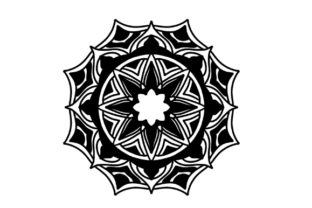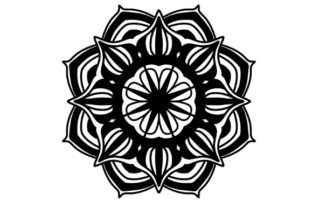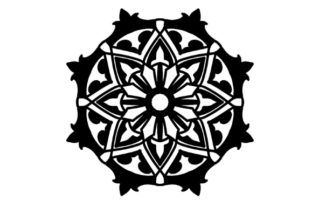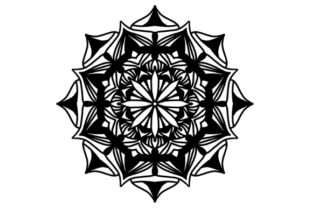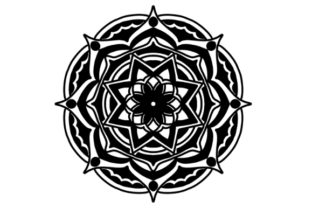
Mandala Vector Art Pattern 1386
Mandala Vector Art Pattern 1386 is a versatile design that blends intricate geometry with symbolic meaning. Its clean lines and balanced composition make it ideal for both digital and print applications. This pattern offers a unique blend of structure and fluidity, allowing creators to explore a wide range of artistic and functional uses.
What Makes Mandala Vector Art Pattern 1386 Unique
Mandala Vector Art Pattern 1386 stands out due to its scalability and adaptability. Unlike traditional mandalas, which often rely on hand-drawn elements, this vector format ensures precision and flexibility. The pattern features repeating geometric shapes that create a sense of harmony and balance, making it visually engaging and easy to customize.
The design’s modular nature allows users to adjust the complexity and scale without losing clarity. Whether used as a background, border, or standalone graphic, Mandala Vector Art Pattern 1386 maintains its integrity across different mediums and resolutions.
Creative Possibilities with Mandala Vector Art Pattern 1386
One of the most exciting aspects of Mandala Vector Art Pattern 1386 is its versatility. Here are some creative directions you can explore:
- Graphic Design: Use the pattern as a base for branding materials, social media graphics, or website backgrounds.
- Interior Design: Incorporate the pattern into wall art, textiles, or decorative items to add a calming aesthetic.
- Education: Teachers can use the pattern in math or art lessons to teach symmetry, geometry, and cultural symbolism.
- Marketing: Brands can integrate the pattern into packaging, promotional materials, or digital campaigns to convey mindfulness and creativity.
- Personal Projects: Artists and hobbyists can modify the pattern to reflect personal themes or emotions.
Practical Applications Across Industries
Mandala Vector Art Pattern 1386 is not limited to a single industry. Its universal appeal makes it suitable for a variety of professional and personal projects:
For Designers: The pattern serves as a foundation for creating custom illustrations, logos, or templates. It can be layered with other elements to enhance visual depth and interest.
For Marketers: Businesses can leverage the pattern to create eye-catching visuals for campaigns, product launches, or brand storytelling. Its calming presence helps foster trust and engagement.
For Educators: The pattern provides an excellent tool for teaching design principles, cultural studies, or even mindfulness practices. It encourages students to think critically about form, function, and meaning.
For Entrepreneurs: Small business owners can incorporate the pattern into their branding to create a cohesive and memorable identity. It adds a touch of sophistication and creativity to their offerings.
How to Adapt Mandala Vector Art Pattern 1386
Adapting Mandala Vector Art Pattern 1386 depends on your specific goals and audience. Here are some practical tips:
- Customize Colors: Adjust the color palette to match your brand or project theme. Soft pastels may suit a wellness-focused design, while bold colors could work for a more dynamic look.
- Resize and Reposition: Experiment with different sizes and placements to see how the pattern interacts with other design elements.
- Combine with Other Elements: Layer the pattern with text, icons, or photographs to create a more complex and engaging composition.
- Use in Different Formats: Export the pattern in AI, EPS, or JPG formats to ensure compatibility with various software and platforms.
- Test for Clarity: Always review your final design to ensure the pattern remains clear and effective, especially when scaled down for smaller screens or print.
Realistic Examples and Inspiration
To help you get started, here are a few realistic examples of how Mandala Vector Art Pattern 1386 can be applied:
Example 1: Website Background
A wellness blog might use the pattern as a subtle background to create a calm and inviting atmosphere. The pattern should be light enough to not distract from the content but still provide visual interest.
Example 2: Product Packaging
A skincare brand could incorporate the pattern into their packaging design to emphasize natural and mindful ingredients. The pattern adds a layer of sophistication and uniqueness to the product.
Example 3: Educational Materials
An art teacher might use the pattern in a lesson plan to demonstrate symmetry and geometric patterns. Students can then create their own variations, fostering creativity and learning.
Choosing the Right Format for Your Needs
Mandala Vector Art Pattern 1386 comes in three file formats: AI, EPS, and JPG. Each has its own advantages:
- AI (Adobe Illustrator): Best for editing and scaling. Ideal for designers who need to modify the pattern extensively.
- EPS (Encapsulated PostScript): Suitable for high-quality printing. Offers good resolution and compatibility with many design programs.
- JPG: Easy to use for web and social media. However, it lacks the scalability of vector formats, so it’s best for static images.
Choose the format that aligns with your project requirements and workflow. If you’re unsure, start with AI or EPS for maximum flexibility.
Conclusion
Mandala Vector Art Pattern 1386 is more than just a design—it’s a tool for creativity, expression, and application. Whether you’re a designer, educator, marketer, or hobbyist, this pattern offers endless possibilities. By understanding its strengths and exploring its potential, you can unlock new ideas and bring your vision to life with clarity and confidence.