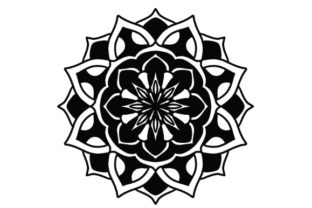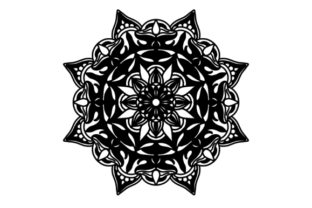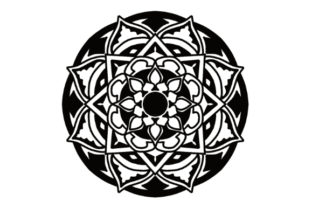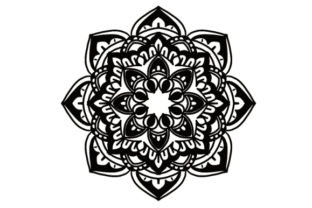
Mandala Vector Art Pattern 1090: A Versatile Design for Creative and Practical Applications
Mandala Vector Art Pattern 1090 is more than just a visual design—it's a flexible, scalable resource that can be adapted to fit a wide range of creative and functional needs. Whether you're an artist, a graphic designer, or someone looking to incorporate intricate patterns into your projects, this vector art offers a unique blend of beauty and utility. Its clean lines, symmetrical structure, and customizable elements make it ideal for both personal and professional use.
Why Mandala Vector Art Pattern 1090 Stands Out
What sets Mandala Vector Art Pattern 1090 apart is its versatility. Unlike generic mandala designs, this particular pattern has been crafted with precision to allow for easy customization. It comes in multiple file formats—AI, EPS, and JPG—ensuring compatibility across different design platforms and applications. This makes it accessible to designers working on both digital and print projects.
Its vector format means that the design remains sharp and clear at any scale, which is particularly useful when creating logos, branding materials, or large-scale installations. The ability to edit individual elements also allows users to tailor the pattern to their specific requirements without losing quality.
Real-World Uses for Mandala Vector Art Pattern 1090
The applications of Mandala Vector Art Pattern 1090 are as diverse as the industries it can serve. Here are some practical examples:
- Graphic Design: Designers can integrate this pattern into backgrounds, borders, or as part of a larger composition. It works well in branding, packaging, and social media graphics.
- Interior Design: The pattern can be used to create wall art, fabric prints, or even floor tiles. Its intricate details add a touch of elegance and depth to any space.
- Print Media: Magazines, brochures, and book covers can benefit from the subtle complexity of this pattern, making them visually engaging without being overwhelming.
- Web Development: Developers can use the vector format to create responsive designs that maintain clarity across devices. It’s especially useful for creating interactive elements or animations.
- Art and Craft Projects: Artists and crafters can use the pattern as a base for paintings, embroidery, or DIY projects. The availability of JPG files makes it easy to print and work with physically.
Each of these scenarios highlights how Mandala Vector Art Pattern 1090 can be adapted to suit different creative goals. Its adaptability ensures that it remains relevant across various fields and mediums.
Who Benefits Most from Using Mandala Vector Art Pattern 1090?
While anyone with an interest in design or art can benefit from this pattern, certain groups may find it particularly valuable:
- Freelance Designers: They often need quick, high-quality assets that can be customized for different clients. Mandala Vector Art Pattern 1090 provides a ready-made solution that can be tailored to meet project-specific needs.
- Small Business Owners: For those looking to enhance their brand identity, this pattern offers a cost-effective way to create visually appealing marketing materials without hiring a designer.
- Students and Educators: It can be used in classroom settings to teach design principles, symmetry, and color theory. The vector format also allows for easy modification during lessons.
- Craft Enthusiasts: Those who enjoy hands-on projects will appreciate the flexibility of using the pattern in physical crafts, such as quilting, scrapbooking, or textile design.
By understanding the target audience, users can better determine how to best utilize Mandala Vector Art Pattern 1090 in their own workflows.
Considerations Before Using Mandala Vector Art Pattern 1090
Before incorporating Mandala Vector Art Pattern 1090 into your projects, there are a few key considerations to keep in mind:
- File Compatibility: Ensure that your design software supports the file formats provided (AI, EPS, and JPG). While most modern programs handle these formats, it’s always good to verify.
- Customization Needs: If you require significant changes to the pattern, consider whether the vector format allows for the level of detail you need. Some complex edits may require additional tools or expertise.
- Copyright and Usage Rights: Always check the licensing terms associated with the pattern to ensure you’re using it appropriately. Some designs may have restrictions on commercial use or redistribution.
- Design Context: Think about how the pattern fits within your overall design. It should complement rather than overpower other elements. Test it in different contexts to see how it performs.
These considerations help ensure that you get the most out of Mandala Vector Art Pattern 1090 while avoiding potential pitfalls.
Strengths and Limitations
Mandala Vector Art Pattern 1090 has several strengths that make it a valuable asset for designers and creators. Its scalability, customizability, and multi-format availability are major advantages. Additionally, the pattern’s aesthetic appeal makes it suitable for a wide range of applications without sacrificing visual impact.
However, there are also limitations to be aware of. For instance, the pattern may not be suitable for all design styles—particularly those that require minimalistic or abstract visuals. It also requires some level of technical skill to modify effectively, especially if you're working with vector files.
Despite these limitations, the benefits of Mandala Vector Art Pattern 1090 far outweigh the drawbacks, especially for those looking for a versatile and visually striking design element.