Exploring Mandala Vector Art Pattern 1396: A Comprehensive Guide
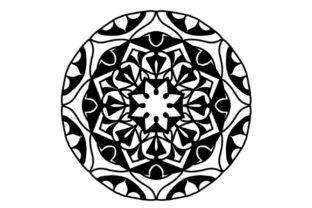
Mandala Vector Art Pattern 1396 is a digital design resource that offers a visually intricate and symmetrical pattern ideal for creative projects. As a vector-based artwork, it can be scaled without loss of quality, making it highly versatile for use in various mediums such as print, web, and digital media. This pattern is particularly appealing to designers, artists, and anyone interested in incorporating spiritual or geometric elements into their work.
What Is Mandala Vector Art Pattern 1396?
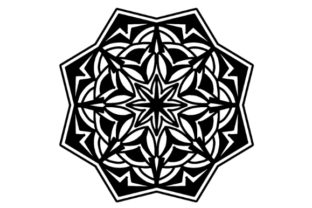
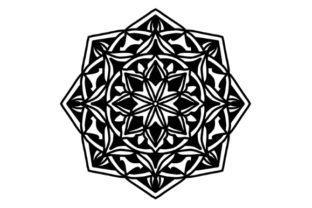
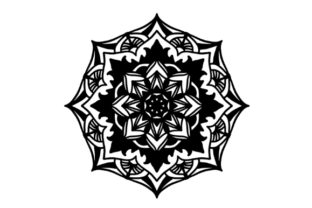
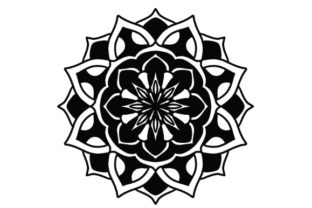
Mandala Vector Art Pattern 1396 is a downloadable file that contains a detailed vector illustration of a mandala. The pattern features a complex arrangement of interlocking shapes, circles, and lines, often symbolizing balance, harmony, and spiritual growth. It is designed to be used as a repeating pattern or as a standalone graphic, depending on the project's requirements.
The pattern comes in multiple formats, including AI (Adobe Illustrator), EPS (Encapsulated PostScript), and JPG (Joint Photographic Experts Group). These formats ensure compatibility with a wide range of design software and platforms, from professional tools like Adobe Illustrator to more accessible online editors.
Why Would Someone Be Interested In Mandala Vector Art Pattern 1396?
There are several reasons why individuals might find Mandala Vector Art Pattern 1396 appealing. For starters, it provides an easy way to incorporate intricate designs into various projects without requiring advanced drawing skills. This makes it an excellent choice for both beginners and experienced designers looking for inspiration.
Additionally, mandalas are often associated with mindfulness and meditation, making this pattern a popular choice for those who want to create calming visuals for personal or commercial use. Whether you're designing a website, creating packaging, or developing a branding package, this pattern can add a unique and meaningful touch to your work.
Another key benefit is the flexibility offered by the vector format. Unlike raster images, vector graphics maintain their clarity at any size, allowing for seamless integration into different design applications. This adaptability ensures that the pattern remains useful across a variety of contexts and scales.
Benefits and Considerations
One of the primary advantages of Mandala Vector Art Pattern 1396 is its scalability. Since it is created using vector paths, it can be resized without compromising quality, which is especially valuable when working with large-scale prints or high-resolution displays.
Moreover, the availability of multiple file formats—AI, EPS, and JPG—makes it accessible to a broader audience. Designers who use Adobe Illustrator will appreciate the AI format for its precision and editability, while those who prefer open-source tools may find the EPS format more compatible. The JPG version serves as a convenient option for quick previews or basic use cases.
However, there are also some considerations to keep in mind. While the pattern is highly customizable, users may need to adjust the design to fit specific project needs. Additionally, the complexity of the pattern could pose challenges for those unfamiliar with vector editing tools. It is important to assess one’s technical proficiency before deciding to use this pattern.
Situations Where Mandala Vector Art Pattern 1396 May Be a Strong Fit
Mandala Vector Art Pattern 1396 is particularly well-suited for projects that require a blend of artistic and symbolic elements. This includes branding materials, interior design concepts, and educational resources related to spirituality or psychology.
For instance, if you are creating a wellness app or a meditation platform, integrating this pattern can enhance the visual appeal and thematic coherence of your design. Similarly, it can be used in print media such as calendars, greeting cards, or book covers to add an elegant and meaningful aesthetic.
It is also a great asset for illustrators and graphic designers who are looking to expand their portfolio with unique and culturally rich designs. The pattern can serve as a foundation for custom illustrations, helping to streamline the creative process.
When Might Alternatives Be Worth Considering?
While Mandala Vector Art Pattern 1396 is a strong option for many applications, there are situations where alternatives may be more appropriate. For example, if the design requires a more personalized or original approach, a custom-created mandala might be preferable.
Additionally, if the intended use involves frequent color changes or extensive modifications, a vector format that supports more advanced editing features may be necessary. In such cases, exploring other vector art patterns or commissioning a bespoke design could offer greater flexibility and control.
It is also worth considering the licensing terms and usage rights associated with the pattern. Some patterns may have restrictions on commercial use or require attribution, so it is important to review these details before proceeding with a project.
Decision-Making Insights
When evaluating whether Mandala Vector Art Pattern 1396 aligns with your goals, consider the following factors:
- Project Scope: Does the pattern fit within the overall vision and purpose of your project?
- Technical Requirements: Are you comfortable working with vector formats and design software?
- Customization Needs: How much modification will be required to adapt the pattern to your specific use case?
- Licensing Terms: Are there any restrictions on how you can use or distribute the pattern?
- Aesthetic Alignment: Does the pattern resonate with the style and tone of your work?
By carefully weighing these considerations, you can make an informed decision about whether Mandala Vector Art Pattern 1396 is the right choice for your project or if another option would better suit your needs.